All Categories
Featured
Key Benefits of Hiring Experienced Commercial Movers
Maintaining Peak Productivity in 2026 Business Relocations

Managing Modern Warehouse Logistics and Asset Management
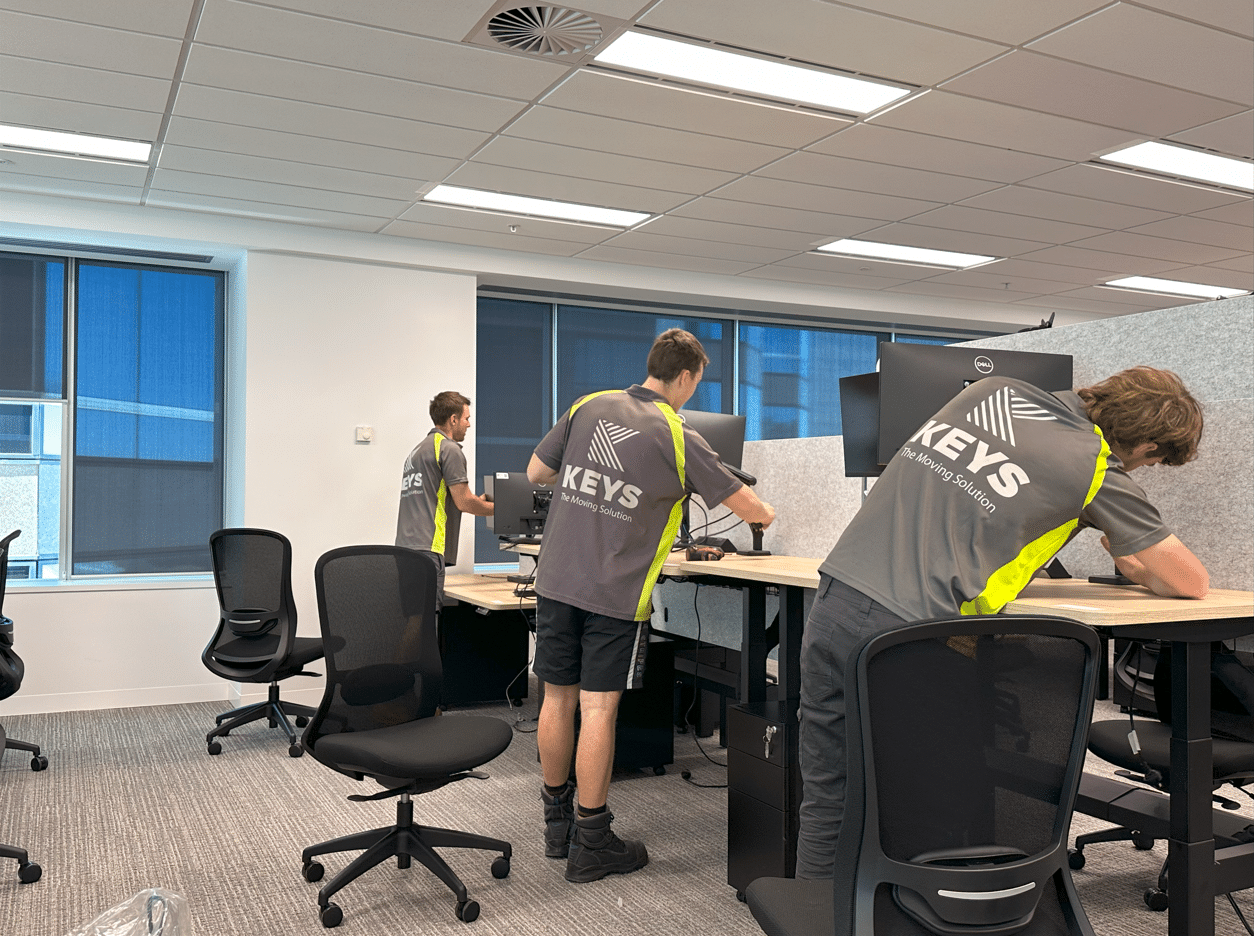
Optimizing Your Commercial Workspace Relocation
Table of Contents
Office space in Houston ranges from $7 to $35 per square foot annually, depending upon submarket, developing class, and lease structure making it among the most competitively priced major business markets in the United States. As of 2026, the Houston workplace market is actively recalibrating, with hybrid work improving need patterns across every neighborhood from Downtown to the Energy Passage.
Houston's workplace market tape-recorded negative 218,426 square feet of net absorption in Q1 2026, with roughly 850,000 square feet of office actively being rearranged or abandoned across the metro. That figure informs a crucial story: supply is still getting used to the structural shift in how companies utilize space, which creates genuine leverage for tenants who understand what they're trying to find.

Class A towers in the Galleria and Downtown command $28 to $35 per square foot. Class B area in submarkets like Westchase or Greenspoint can be up to $10 to $14 per square foot. Flexible and coworking alternatives rate in a different way, normally running $200 to $750 per person each month depending on amenities and location.
Ways to Safely Transport Sensitive HardwareThat diversity is one reason job rates, while elevated, haven't collapsed asking rents the way some coastal markets have experienced. The shift isn't simply about fewer desks. Companies are reassessing the function of office space completely. Research regularly reveals that business running hybrid models carry 30 to 50% average workplace utilization rates while spending for 100% of their square footage.
At Upflex, we have actually discovered that the companies making the most intelligent realty decisions in 2026 aren't simply downsizing. They're using attendance information to right-size their portfolios with precision, retaining the area that genuinely drives collaboration while getting rid of the square footage that sits empty on most days. Houston Office Space: Rates by Class (2026) Building Class Common Submarket Yearly Rate (per sq ft) Best For Class A Galleria, Downtown, Greenway Plaza $28 $35 HQ flagship, client-facing offices Class B Westchase, Katy Freeway, Midtown $14 $22 Operations, mid-size teams Class C Greenspoint, Northeast Houston $7 $13 Cost-sensitive, back-office functions Versatile/ Coworking Downtown, Midtown, The Woodlands $200 $750/person/month Hybrid groups, dispersed employees Houston's workplace market is organized into unique submarkets, each with its own pricing dynamics, occupant profile, and commute patterns choosing the right one is as important as choosing the right building.
Managing Modern Warehouse Logistics and Inventory Management
It's the natural home for monetary services, law firms, and energy majors that need prestige addresses and distance to the court house and port authority offices. Midtown, just south of Downtown, offers a more innovative, mixed-use environment with somewhat lower rents and strong transit gain access to by means of the METRORail Red Line. Flexible workspace alternatives are well-represented here.
The Galleria submarket is Houston's many recognizable organization address outside of Downtown. It draws in expert services firms, innovation business, and corporate local workplaces. Leas here are among the greatest in the city, however the submarket provides remarkable amenity density, including hotels, dining establishments, and retail that make it attractive for client-facing operations.
The Energy Corridor along Interstate 10 West remains the functional backbone of Houston's oil and gas market. Big campus-style structures here offer considerable square video footage at competitive rates, and the submarket has actually seen restored activity as energy companies reorganize post-merger. Westchase, surrounding to the Energy Passage, offers comparable pricing with a little more varied occupant profiles.
Houston uses four primary categories of workplace, each matched to different group sizes, budget plan restraints, and functional requirements understanding the differences before you sign anything will save you substantial money. A direct lease (likewise called a full-service gross lease or a modified gross lease, depending on how operating costs are structured) gives you exclusive control of a specified area for a set term, normally three to 10 years.
Ways to Safely Transport Sensitive HardwareHow to Select Industrial Movers Using 2026 Reviews
Pros: Maximum control over area design, brand name presence, and security Pros: Typically the most affordable per-square-foot expense at scale over a long term Cons: Long dedication durations develop threat if headcount or participation patterns shift Cons: Renter improvement (TI) buildouts can take months and carry expense unpredictability Cons: Vacancy risk falls entirely on the occupant if team usage drops LoopNet currently lists over 9,300 workplace for lease across Houston, with an average listing size of around 31,938 square feet and an average asking price of $22 per square foot.
These options let groups access totally furnished, move-in-ready environments on terms varying from a single day to rolling regular monthly contracts. For hybrid teams, this model solves a particular problem: you don't require to spend for 10,000 square feet every day if only 30% of your group is in on any given Tuesday.

Latest Posts

Optimizing Industrial Operations for Moves

Key Benefits of Hiring Experienced Commercial Movers

Maintaining Peak Productivity in 2026 Business Relocations